San Diego Mold Remediation & Repair Experts
Quick Services
Need Any Help?
Call us 24/7
Medically Sound, Trusted, & Local
Worried about mold in your San Diego home or business? You’re not alone. Mold is a growing concern for property owners across San Diego County, especially as buyers increasingly demand professional mold testing before closing on a home. But a mold problem doesn’t have to spell disaster, with the right help, you can restore your property safely and affordably.
Your Local San Diego Mold Damage Experts
Why Choose Orange Restoration?
- Medically Sound Remediation: We’re not just mold remediators, we are The Medically Sound Remediators, we’re certified in Medically Sound Remediation by CIRSx, and small particle cleaning, working closely with medical professionals for clients with health sensitivities.
- 20+ Years of Experience: Trusted in San Diego for two decades, we bring deep expertise and local knowledge to every job.
- Complete Restoration: From initial testing to final rebuild, we handle every step, including working with your insurance company if your policy covers the damage. We’ll work to get insured damages covered with professional documentation of our work photos and notes on the work done.
Rebuild After Mold Remediation? YES!
The Risks of Mold: Why Act Now?
Signs You Need Mold Remediation:
- Musty odors, even if you can’t see visible mold (hope it isn’t secondary mold!)
- Recent water damage or flooding (Identifying Mold is Critical for Health)
- Unexplained health symptoms among occupants (4 Signs Mold is Impacting Health)
Don’t risk your health with DIY kits, professional testing ensures thorough, accurate results.
Full-Service Mold Removal & Rebuild
Ready for a Healthier, Safer Home?
Don’t wait! The longer mold sits, the greater the risk to your property and health. We are often able to offer same-day appointments and emergency response throughout San Diego County.
Why Choose a Local, Family-Owned Mold Remediation Company?
Going with a local, family-owned mold remediation company offers real advantages that larger franchises simply can’t match. First and foremost, you get genuine, personalized service from a team that truly cares about the community, these are folks who live and work right alongside you in San Diego, not just a faceless company with call centers in another state.
Here’s why you might want to work with a local, family-owned provider:
- Personalized Attention: Local companies take extra care to guide you through the process, often going above and beyond because your satisfaction is their reputation. You’re more than just a job order—you’re a neighbor.
- Rapid Response Times: Need help fast? Local teams can be on-site quickly compared to out-of-town companies, minimizing damage and helping you get back to normal sooner.
- Knowledge of Local Issues: San Diego’s coastal climate brings its own set of mold challenges. Family-run businesses understand these unique factors, from humidity patterns to the types of construction that are more vulnerable, and tailor their approach accordingly.
- Direct Communication: Don’t get lost in an automated maze, real local teams pick up the phone. You’ll speak with knowledgeable staff who genuinely care about your concerns.
- Commitment to Community: Neighborhood businesses are invested in the long-term health of the community. Their goal is not just to remediate, but to educate and prevent future issues.
In short, opting for a local, family-owned mold remediation company means you’re getting trusted experience, a fast response, and an ethical partner dedicated to keeping your property, and San Diego, safe and healthy.
We do Small Particle Cleaning
For Mold that escapes traditional remediation companies techniques.
Don’t just call the “Mold Restoration Near Me” Remediators (Advertising on Google Ads)
We are not your typical mold removal company, we are experts in mold removal that is scientifically backed. We have traditional mold remediation experience for over 20 years, but on top of that, we are small particle cleaners with CIRSx Medically Sound Remediation and Medically Important certification. We don’t just come in and remediate, we consult you to make sure you are getting the right work done. We often work with medical professionals as part of the Shoemaker Protocol. If you need medically sound Remediation, please let us know!
why work with us?
Here are Most of Frequently Asked Questions
What makes Orange Restoration different by specializing in this Medically Sound Remediation services?
Medically Sound Remediation is not like traditional remediation, with our medically sound remediation protocols, we can leave no mold behind. Traditional remediation protocols allows for mold particles, and dead spores to remain after remediation. If you work with Orange Restoration, you can be sure that we will work hard to pass your Post Remediation Verification (PRV) test on the first attempt to reduce costs, length of our work, and get you back in your home as soon as it is safe again.
What is the Shoemaker Protocol?
The Shoemaker Protocol for mold is the medical aspect of your recovery journey, designed to help individuals affected by mold-related illness through a structured medical treatment plan. Medically Sound Remediation and Small Particle Cleaning is only part of the Shoemaker Protocol.
How long does the Shoemaker Protocol take?
The duration of the Shoemaker Protocol varies depending on the individual’s health condition, severity of exposure, and response to treatment. It can take several months to years for full recovery.
Our Medically Sound and Small Particle cleaning service is only part of the healing process. Please look into finding an IEP or a medical doctor to discuss this this protocol in more depth.
Does the Shoemaker Protocol work?
Yes, the Shoemaker Protocol has been proven effective for individuals suffering from mold-related illnesses by addressing inflammation and removing biotoxins from the body. Science is increasingly validating Dr. Shoemaker’s work as larger medical institutions recognize its success in treating thousands of patients with Chronic Inflammatory Response Syndrome (CIRS). These patients, each with unique experiences related to mold and VOC exposure in their homes, have found relief through his approach. While conventional Western medicine often falls short in addressing CIRS, Dr. Shoemaker’s integrative method, combining naturopathic principles, medical training, and specialized protocols—has helped many on their path to recovery.
What is the Shoemaker Protocol treatment?
The Shoemaker Protocol treatment involves a structured medical approach that includes diagnostic testing, biotoxin removal, and steps to reduce inflammation, all aimed at restoring the patient’s health.
What is a mold remediation protocol?
A mold remediation protocol is a structured plan used to safely remove mold from a building. Traditional mold remediation often involves antimicrobial treatments, encapsulation, or disinfection, whereas medically sound remediation focuses on complete mold removal without the use of antimicrobial agents, ensuring a safer environment for sensitive individuals.
Look into our Medically Sound Remediation & Small Particle Cleaning services if you have sensitivities to mold or have particular health concerns.
What is the difference between Medically Sound Remediation and Traditional Mold Remediation?
Medically sound remediation does not involve disinfecting, killing, or encapsulating mold but instead focuses on completely removing it from building materials. It adheres to higher standards to prevent re-exposure and ensure a safe environment for recovery.
What are the key elements of Medically Sound Remediation Services?
- No use of antimicrobials
- No encapsulation
- No sealing of cavities
- White glove test for thorough cleanliness
- All discoloration must be remediated
- Mandatory decontamination chambers
- Continuous negative air pressure
- Strict PPE protection
- Full 6-mil containment barriers to prevent cross-contamination
The key differences between Medically Sound Remediation and Traditional Remediation lie in the level of detail, the protocols followed, and the ultimate goal of the remediation process. Here’s a breakdown of the main distinctions:
1. Focus on Health vs. Structure
- Medically Sound Remediation prioritizes occupant health, especially for those with conditions like CIRS, mold sensitivity, or other environmental illnesses.
- Traditional Remediation primarily focuses on structural integrity and preventing further damage.
2. Cleaning Standards
- Medically Sound Remediation goes beyond visible mold removal, addressing ultrafine particles, biotoxins, and airborne contaminants to create an environment safe for hypersensitive individuals.
- Traditional Remediation typically follows industry-standard guidelines (like the IICRC S520) to remove visible mold and prevent regrowth but may not eliminate the small particles that continue affecting health.
3. Testing and Verification
- Medically Sound Remediation often includes detailed post-remediation verification (PRV) testing, such as:
- ERMI (Environmental Relative Moldiness Index) testing
- HERTSMI-2 (Health Effects Roster of Type-Specific Formers of Mycotoxins and Inflammagens-2)
- ATP testing for biological contaminants
- Airborne and settled dust analysis for small particles
- Traditional Remediation may only include standard air or surface sampling post-remediation, primarily checking for visible mold presence rather than microscopic contaminants.
4. Use of Biocides and Cleaning Agents
- Medically Sound Remediation avoids harsh chemicals, using medical-grade HEPA filtration, mechanical cleaning, and safer products to remove contaminants without introducing additional toxins.
- Traditional Remediation often relies on chemical biocides or fungicides, which may kill mold but can leave behind harmful residues.
5. Cross-Contamination Prevention
- Medically Sound Remediation follows strict containment, negative air pressure, and decontamination protocols to prevent cross-contamination of fine particles throughout the home.
- Traditional Remediation typically uses containment but may not account for the smallest particulate spread.
Is PRV Testing Only in Medically Sound Remediation?
PRV (Post-Remediation Verification) testing is not exclusive to medically sound remediation, but the type of PRV testing differs.
- Traditional Remediation PRV: Oftenn includes visual inspections and standard air or surface mold testing.
- Medically Sound PRV: Incorporates more advanced testing like ERMI, HERTSMI-2, & particle counts to ensure the environment is truly safe for sensitive individuals.
What is an environmental inspection on a home?
An in-home medically sound IEP inspection is crucial for identifying all affected areas in a property, ensuring that no hidden mold remains undiscovered, which is essential for successful remediation.
What do Indoor Environmental Professionals (IEPs) do?
Indoor Environmental Professionals (IEPs) assess indoor air quality, provide general guidance, and develop remediation scopes based on forensic testing, including indoor air and surface sampling.
What is an Indoor Environmental Professional (IEP)?
An IEP is a specialist who assesses properties for mold and indoor air quality concerns, conducting forensic testing to identify hidden contamination and guide remediation efforts. A qualified IEP must have extensive knowledge of building materials, construction defects, fungal ecology, and environmental science to properly assess contamination risks.
How do you perform small particle cleaning?
Small particle cleaning is a critical step in mold illness recovery. It involves HEPA vacuuming and a wet-wipe/dry-wipe sequence to remove fine particulates from all surfaces.
How do you clean items exposed to mold?
Hard-surface items can typically be cleaned with proper HEPA vacuuming and wiping. However, porous materials are more challenging to clean, and in some cases, replacing them may be more cost-effective.
What is fine particle cleaning?
Fine particle cleaning refers to the process of removing ultrafine mold and dust particles, typically ranging from 2-20 microns, from surfaces to prevent contamination. We offer Small Particle Cleaning services to help with removal of these ultrafine particles.
How do you get rid of small dust particles?
The best method for removing fine dust particles is a combination of HEPA vacuuming, thorough surface wiping, and maintaining proper air filtration. if you need help, we offer Small Particle Cleaning services.
How to tell if your house is toxic?
The most reliable way to determine if your house is toxic is by hiring a certified and experienced IEP. Standard home inspections or environmental assessments often miss hidden contamination due to testing limitations. An IEP will work as an advocate for your health, they will do many lab tests and physical inspections to find the source of the problems.
Home Testing for mold or any DIY testing for mold is not recommended.
What are the signs of Mold Sickness?
Mold sickness can manifest in various ways, including changes in the health of a home’s occupants, family members, pets, or even plants. A persistent musty odor in the home may also indicate mold issues. If you suspect mold, call an Indoor Air Quality Testing professional or an Indoor Environmental Professional, if you need help with this, call us!
What are the Symptoms of Mold Sickness?
Symptoms of mold sickness in individuals can include chronic fatigue, respiratory issues, brain fog, skin rashes, headaches, and sinus congestion.
What is Mold Sickness Treatment?
Mold sickness treatment typically involves removing exposure sources, detoxifying the body, and following medical protocols such as the Shoemaker Protocol. Look at a recent blog post about Mold Sickness Treatment we recently published.
What is CIRS-Safe Remediation?
CIRS-safe remediation follows the same principles as medically sound remediation, ensuring that no antimicrobials, sealants, or chemical treatments are used while focusing on complete removal of mold contaminants.
How to clean your Belongings after Mold Remediation for CIRS?
While hiring a third-party vendor for fine particle cleaning is common, homeowners have also successfully completed this process themselves using HEPA vacuuming and surface wiping techniques. We offer Small Particle Cleaning services to get you started and can work with your belongings to help restore all back to normal.
How long should you stay out of the House after Mold Remediation?
If financially feasible, it is recommended to stay out of the exposure area until an IEP has re-inspected the home and confirmed that remediation was successful. The testing provided by an IEP will help you to determine all contamination has been removed.
How likely is Mold to come back after Remediation?
Mold requires moisture to grow, so maintaining a dry and clean environment is crucial for preventing regrowth after remediation. Mold can grow anywhere there is neglected areas with moisture, dampness, or warmth. Mold should not re-occur after remediation if it has been done correctly with Medically Sound Remediation and Small Particle Cleaning, there should be a removal of absolutely all mold. So, chances of regrowth after medically Sound are significantly reduced, while traditional remediation risks the reoccurrence because some mold is left behind.
What do professionals use for Mold Remediation?
Traditional mold remediation professionals use commonly accepted methods, while medically sound environmental professionals adhere to significantly higher standards to ensure safety for sensitive individuals.
Medically Sound Mold Remediation standards:
- No use of antimicrobials
- No encapsulation
- No sealing of cavities
- White glove test for thorough cleanliness
- All discoloration must be remediated
- Mandatory decontamination chambers
- Continuous negative air pressure
- Strict PPE protection
- Full 6-mil containment barriers to prevent cross-contamination
What is the most Problematic Environmental Issue for Homeowners?
One of the most significant environmental concerns in buildings is moisture intrusion, which can lead to mold growth.
While this may not always compromise structural integrity, it can severely impact indoor air quality and pose serious health risks, particularly for hypersensitive individuals.
The EPA has reported extensively on mold sensitivities and the health impacts of water-damaged buildings, yet standard remediation practices often fall short in addressing the needs of those with severe sensitivities.
What does Small Particle Cleaning mean?
Small particle cleaning (SPC) is a specialized cleaning method designed to remove ultra-fine contaminants from indoor environments, including mold fragments, mycotoxins, and dust particles that are invisible to the eye but harmful to sensitive individuals. Unlike standard cleaning, which targets visible dirt, small particle cleaning focuses on microscopic particles that can remain in a home even after traditional remediation.
Small particle cleaning is a specialized process designed to remove microscopic contaminants, such as mold spores, Volatile Organic Compounds (VOCs), fragments, and ultrafine particles (UFPs), particles that traditional cleaning and even professional traditional remediation leave behind. These particles can settle on surfaces and remain airborne, posing health risks, especially for those with mold sensitivities or conditions like Chronic Inflammatory Response Syndrome (CIRS).
This method is especially important for those with chronic inflammatory conditions like CIRS, asthma, or chemical sensitivities. It involves the use of HEPA vacuums, non-toxic wiping techniques, and strict cross-contamination protocols to ensure that particles are physically removed rather than stirred up or left behind.
In medically sound remediation, small particle cleaning is not optional, it’s a critical step toward restoring a truly safe indoor environment.
The goal of Small Particle Cleaning is to create or most often restore an environment that is safe for medically sensitive individuals by reducing particle load to the lowest possible level. Small particle cleaning requires testing to prove medically sound conditions.
- Pro Tip: Always ask if your remediation company includes third-party PRV testing.
- Pro Tip 2: Check for certification and proper training in medically sound protocols. Make sure the team understands cross-contamination prevention and can handle all in-house trades to avoid introducing new risks from outside vendors.
How is medically sound mold remediation different from standard mold removal?
Medically sound mold remediation goes beyond traditional mold cleanup by focusing on health outcomes and preventing biotoxin exposure. It follows advanced protocols like the CIRSx Medically Important Remediation standard, which includes HEPA filtration, small particle removal, cross-contamination prevention, and often third-party verification. Standard mold removal typically focuses on visible mold and may not address microscopic particles or medically sensitive concerns, leaving risks for people with chronic illness.
Pro Tip: Standard remediation isn’t enough for medically sensitive individuals. Even after traditional cleanup, ultrafine particles, dead spores, and mold fragments often remain. These microscopic contaminants can still trigger severe reactions in those who are immune-compromised or mold-sensitive. For true health and safety, insist on medically sound remediation that includes Small Particle Cleaning and post-remediation verification (PRV) testing.
Why does Mold come back after Remediation?
Mold often returns when the underlying cause, such as hidden leaks, excess humidity, or poor ventilation, is not fully resolved. If moisture remains in walls, flooring, or crawl spaces, mold spores can easily regrow. Another common reason is incomplete remediation, where contaminated materials are left behind or drying protocols were inadequate to prevent mold growth.
Secondary mold growth can also happen when contractors without proper training attempt DIY or “budget” mold removal. These shortcuts often ignore cross-contamination, leaving fine particles and dead spores that still trigger health reactions and can reseed mold growth.
See Secondary Mold to learn more.
Why not to call “Restorations Companies Nearby” as proximity does not help with training or certification.
To prevent mold from coming back, medically sound remediation goes beyond surface cleaning. It includes moisture mapping, containment, small particle cleaning, and third-party post-remediation verification (PRV) testing to ensure the environment is truly safe.
Occurs when mold remediation was not done properly. Either by well meaning DIY intentions, poorly trained hired maintenance personnel, or various other tradesmen not properly trained in mold remediation protocols, the result is deeper returning mold. When mold is not done right, especially in the drying protocols, mold can return and be a bigger and deeper problem.
Pro Tip: Research the credentials of any remediation company, ask if they can fully restore your home after remediation, ask if they have ever encountered secondary mold problems, and always check their reviews to see if they are consistent with what a homeowner would say, or are they saying “Will return again!” or even “Great speedy services, hot to order!” as many remediation companies are getting fake reviews as AI is allowing reviews to be prioritized by quantity and not quality feedback from reviewers.
What are the Symptoms of Mold Exposure in a Home?
Common symptoms of mold exposure include:
- Persistent sinus congestion or allergy-like symptoms
- Fatigue or exhaustion that worsens indoors
- Headaches or brain fog
- Skin rashes or irritation
- Shortness of breath or wheezing
- Eye irritation or watery eyes
- Sleep disturbances or night sweats
If symptoms improve when you leave your home, mold or water damage could be contributing to your health issues.
Mold & Health blog resources:
- Identifying Mold Causes is Critical for Health
- Mold Growth Imposes Serious Health Effects
- Mold and the The Effect It Can Have On Your Health
- 4 Signs Mold is Affecting Your Health
- Learning About CIRS, Your Health & Home
- PRO TIP: Often, the first signs of mold aren’t what you see, but how you feel. Many people notice symptoms that worsen at work or home and improve when they leave, such as unexplained fatigue, headaches, sinus issues, or even mood changes. These reactions can be the body’s way of signaling a hidden mold problem, especially if you’ve had recent water damage or high humidity.
- Pro Tip follow up: Why?: Because mold needs only moisture, organic material, and a little time to thrive, it can spread behind walls, in closets, or under flooring without obvious visual clues. If you suspect your health symptoms are linked to your environment, it’s important to investigate before the problem grows worse. Often, people who just had remediation call us with horror stories of Secondary Mold.
Can mold cause Chronic Illness or conditions like CIRS?
Yes, mold exposure can contribute to chronic illness, including conditions like Chronic Inflammatory Response Syndrome (CIRS). CIRS occurs when the immune system cannot properly clear biotoxins from mold or water-damaged buildings, leading to inflammation and multi-system symptoms.
Individuals with genetic predispositions are particularly vulnerable. If you have ongoing symptoms like fatigue, brain fog, sinus issues, or worsening health when at home, environmental mold could be a factor.
Many individuals diagnosed with Chronic Fatigue Syndrome (CFS) may actually be suffering from environmental factors such as mold exposure, which often go undetected. One major reason? Identifying the root cause can be costly and complex, and most conventional medical systems aren’t designed to investigate environmental triggers.
Doctors, trained as generalists, often focus on symptom management rather than environmental assessments. However, a growing number of forward-thinking medical professionals recognize we’re on the brink of a medical shift toward integrating environmental health into individualized diagnosis and treatment, a critical evolution for addressing conditions like CFS, CIRS, and other chronic illnesses.
Learn more about CIRS and home health in our blogs!
How do I know if my Home needs Small Particle Cleaning after Mold Remediation?
If you or family members continue experiencing symptoms after mold remediation, or if you have health conditions like CIRS, small particle cleaning is often necessary.
Standard or traditional remediation can leave behind microscopic mold fragments and toxins that are invisible but still harmful. Post Remediation Verification (PRV) testing or a consultation with a CIRS-aware remediator can help determine if this extra level of cleaning is needed.
Pro Tip: Look into secondary mold, this is not a common term, but recently here in San Diego, we have seen most of our work recently coming from this problem. Only solution is to make sure you only hire qualified professionals working on remediation. Furthermore, when you consider DIY mold remediation, think of secondary mold risks, drying is just as important as the cleaning portion of the work.
What is the Safest Way to Remove Mold for Someone with Mold Sensitivity?
For those with mold sensitivity, the safest approach is a Medically Sound Remediation process.
Medically Sound Remediation process includes:
- HEPA air filtration
- Containment to prevent cross-contamination
- Small particle cleaning to remove microscopic spores and fragments
- Use of non-toxic cleaning solutions to avoid VOC exposure
- Always work with certified professionals familiar with CIRS or medically sensitive protocols.
Can I Clean Mold Myself if I have Health Issues?
If you have mold sensitivity or chronic illness, DIY mold cleanup is not recommended. Disturbing mold without proper containment and filtration can release spores and toxins into the air, increasing exposure. Instead, work with professionals trained in medically sound remediation to ensure your environment is safe.
Many cases of secondary mold start with DIY attempts or inexperienced contractors skipping critical steps. Even well-intentioned efforts can create bigger problems. The best safeguard is to invest in a professional assessment, proper mold testing, and a detailed scope of work from a qualified inspector before remediation begins.
Mold doesn’t just damage your walls or cause a musty smell. Mold impacts our health and can even make our bodies a host to mold spores and VOCs. –The Medically Sound Remediators
Pro Tips for Medically Sound Mold Remediation
At Orange Restoration, we know that medically sensitive clients require more than basic mold cleanup. If you’re concerned about mold’s impact on your health, these are the three non-negotiables for true safety:
Pro Tip #1: Never Skip the Drying Phase
Even the best cleaning fails if hidden moisture remains. Professional moisture mapping and thermal imaging confirm materials are truly dry before walls are closed or repairs completed.
Pro Tip #2: Containment Is Non-Negotiable
Improper containment spreads mold spores and toxins throughout your home. Ensure your contractor uses negative air machines, HEPA filtration, and strict cross-contamination protocols every time.
Pro Tip #3: Testing Verifies, It Doesn’t Assume
Every medically sound remediation project should end with third-party post-remediation verification (PRV) testing. Skipping this leaves you guessing whether ultrafine particles, spores, or toxins are still present.
For those with CIRS, mold sensitivities, or chronic conditions, these steps aren’t optional–they’re essential. Our team follows CIRSx-certified protocols to ensure your environment is safe, clean, and truly healthy.
What Happens if Mold is Left Untreated in a Home?
Leaving mold untreated can cause structural damage to your property and increase health risks for occupants. Mold can spread to walls, flooring, and HVAC systems, making remediation more complex and expensive later. For sensitive individuals, prolonged exposure can worsen conditions like CIRS, allergies, and respiratory issues.
Why Mold Must Be Addressed Immediately
Leaving mold untreated doesn’t just threaten your property, it can seriously impact health and safety. Mold often spreads beyond visible surfaces, infiltrating walls, flooring, insulation, and even HVAC systems. The longer it remains, the more extensive and costly the remediation becomes.
For sensitive individuals, prolonged exposure can worsen chronic conditions such as CIRS (Chronic Inflammatory Response Syndrome), allergies, and respiratory disorders. Mold contamination is not just a nuisance, it’s an environmental health hazard.
Health Risks of Mold Exposure
Respiratory Impact:
Mold spores and fragments can act as potent irritants, triggering or worsening asthma, chronic cough, wheezing, and shortness of breath. Those with compromised immune systems or pre-existing lung conditions face even greater risk.
Allergic Responses:
Common reactions to mold include persistent sneezing, nasal congestion, itchy or watery eyes, and skin irritation. These symptoms often intensify indoors, especially in poorly ventilated spaces.Chronic and Systemic Effects:
Long-term or repeated exposure to mold and its byproducts, such as mycotoxins and ultrafine particles, can lead to more serious health issues. These include chronic inflammation, neurological symptoms like brain fog, and immune dysregulation. In severe cases, mycotoxin exposure has been linked to organ damage and other debilitating health conditions.
Do all Mold Remediation Companies follow Medically Sound Protocols?
No, most mold remediation companies do not follow medically sound protocols. Traditional contractors focus on visible mold removal, not small particle cleaning or air quality verification. Medically sound remediation requires additional training, certifications like CIRSx, and adherence to strict health-based standards. Always ask if your contractor is familiar with these methods.
Do you offer CIRS-Safe Mold Remediation in San Diego?
Yes, we are one of the few companies in California specializing in CIRS-safe remediation. Our San Diego based team follows advanced protocols to protect medically sensitive clients and restore safe indoor environments after mold or water damage.
What Certifications do Your Mold Remediators have?
Our team is certified in Medically Important Remediation through CIRSx and trained to follow the Shoemaker Protocol for health-based cleaning. We also meet industry standards for water damage restoration, structural drying, and IAQ management.
Orange Restoration holds advanced certifications and training to meet the highest industry and health-focused standards:
- CIRSx Medically Important Remediation Certification – Specialized training for health-conscious remediation, focusing on environments impacted by mold and water damage for medically sensitive individuals.
- Shoemaker Protocol Training – Our team follows scientifically validated protocols for mold-related illness, ensuring remediation aligns with health recovery needs.
- IICRC-Certified Expertise – Including Water Damage Restoration Technician (WRT) and Applied Structural Drying (ASD), ensuring proper moisture control, thorough drying, and structural integrity.
- Advanced Indoor Air Quality Practices – Expert-level training in methods to reduce airborne contaminants, manage ultrafine particles, and create safer indoor environments.
These credentials and specialized skills allow us to deliver medically sound remediation, comprehensive water damage restoration, and air quality solutions while maintaining the highest standards of safety and professionalism.
Our Official Google Reviews
Certifications
Our Credentials


articles and blogs
Read Our Featured Blog Posts
Want to learn more about our services, head on to the blog posts and get more information about our services.
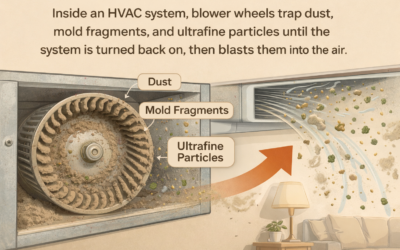
Why HVAC Is the #1 Vector of Cross-Contamination in CIRS Homes
...And Why San Diego’s “Perfect Weather” Makes HVAC Issues Worse. When it finally gets cold enough in Southern...
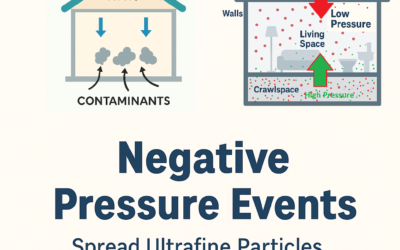
Why Negative Pressure Spreads UFPs Through an Entire Home
In 20 years as remediators, we have taken on many water damage or mold projects that other remediators didn’t properly...
Small Particle Behavior in Homes During Thanksgiving
Thanksgiving is supposed to be about food, family, and warmth, not about small particle issues or air quality. Yet...