Recent Updates
Why HVAC Is the #1 Vector of Cross-Contamination in CIRS Homes
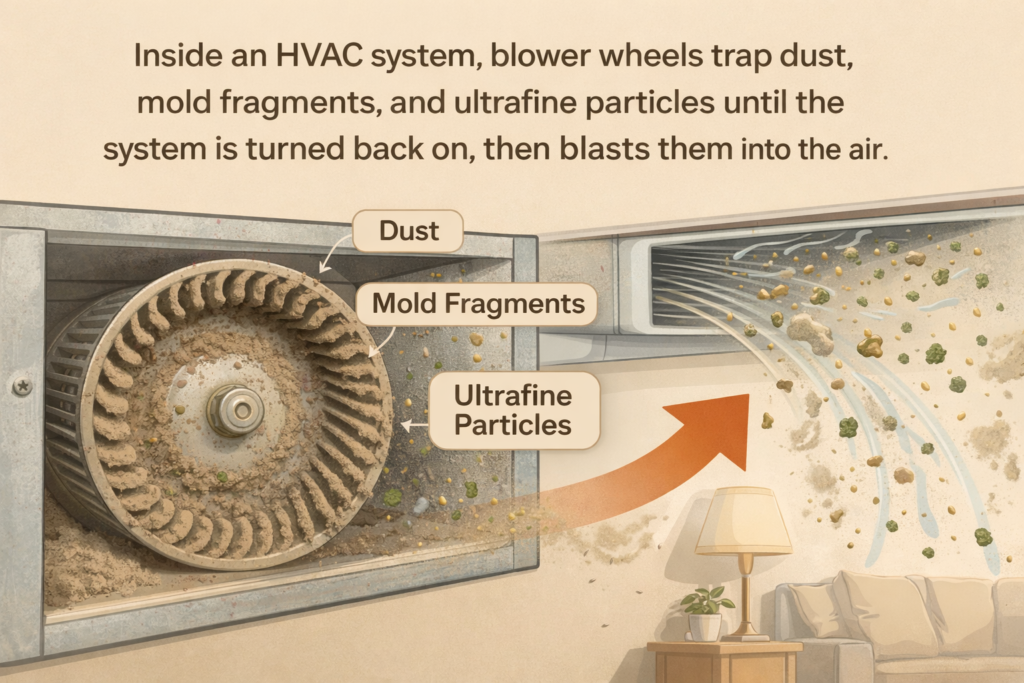
...And Why San Diego’s “Perfect Weather” Makes HVAC Issues Worse. When it finally gets cold enough in Southern California to switch on the heater, most people don’t expect the blast of stale odor that follows. But in San Diego, where the weather is mild enough that...
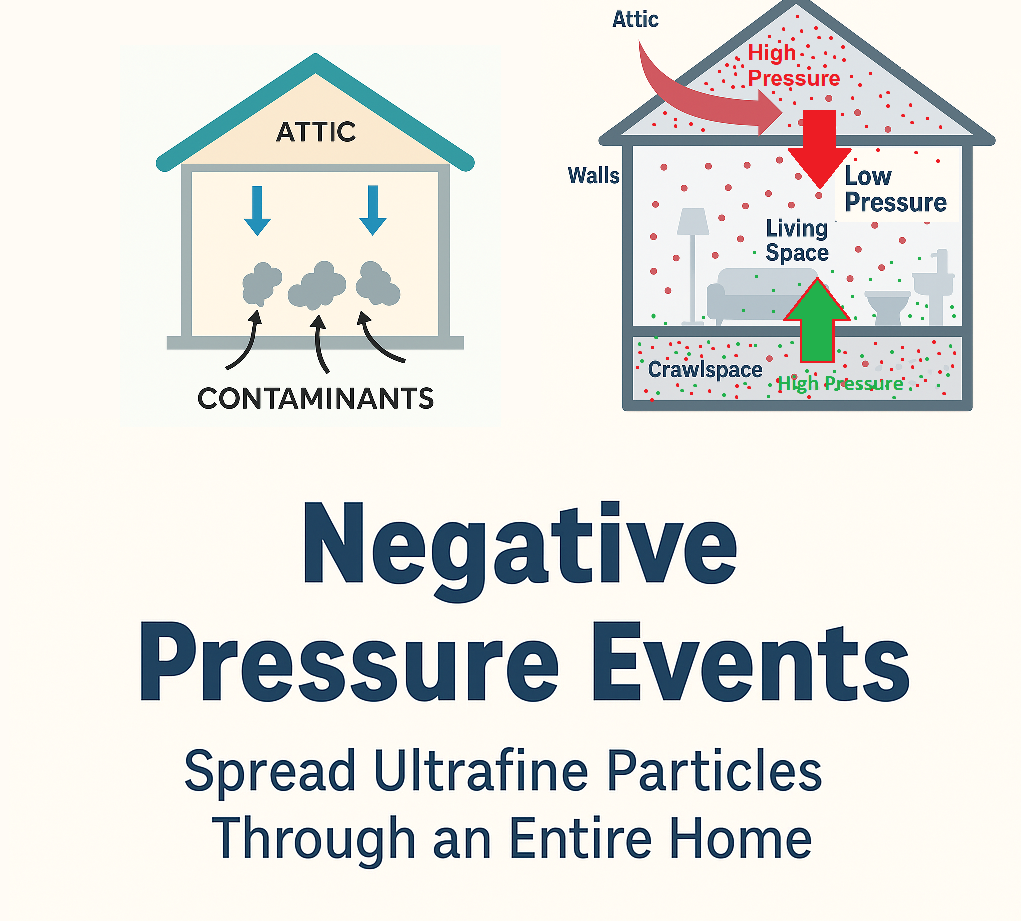
Why Negative Pressure Spreads UFPs Through an Entire Home
In 20 years as remediators, we have taken on many water damage or mold projects that other remediators didn’t properly complete, jobs that had cross contamination issues, or concerns of the homeowner not being met. Negative pressure and contamination have been a...
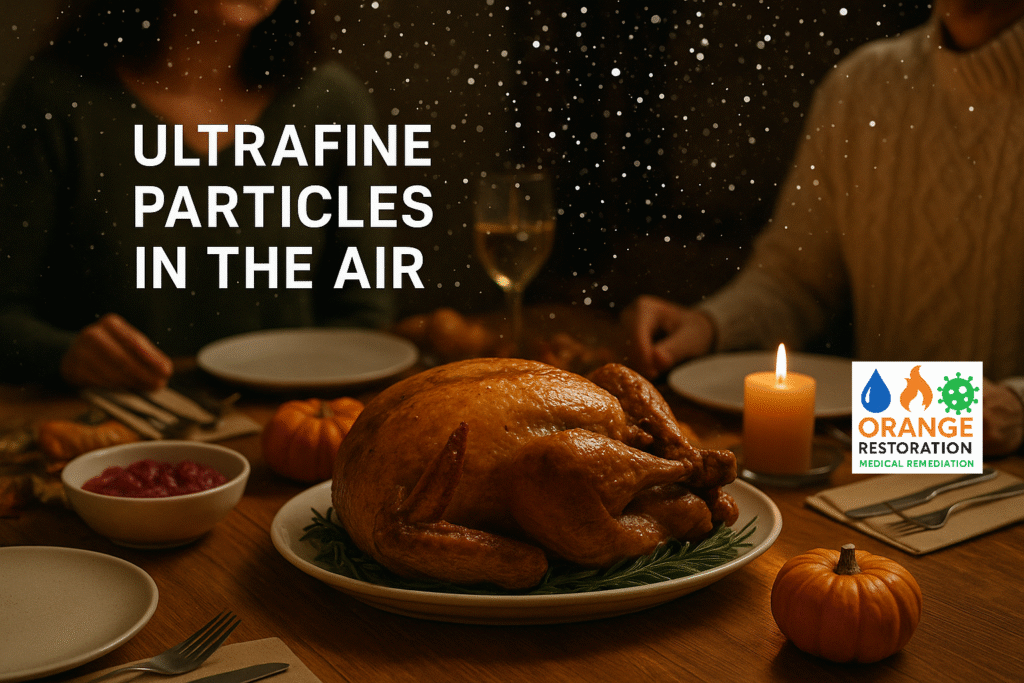
Small Particle Behavior in Homes During Thanksgiving
Thanksgiving is supposed to be about food, family, and warmth, not about small particle issues or air quality. Yet it’s one of the few times of the year when every factor that affects indoor air happens all at once: the HVAC running nonstop, the oven on for hours,...

The Truth About Toxic Black Mold and CIRS
People search for ‘black mold’ and while Stachybotrys has been highlighted in the media, the truth is more complex. Any indoor mold growing after water damage can release spores, fragments, volatile compounds and biotoxins that affect vulnerable people. For...

CIRS vs Chronic Fatigue: The Hidden Link Doctors Often Miss
"Many people living with fatigue, brain fog, or chronic illness may actually be dealing with Chronic Inflammatory Response Syndrome (CIRS), an Environmental factor impacting health, not just stress or aging." -Medically Sound Remediators Dr. Ritchie Shoemaker first...

Why CIRS Patients Can’t Risk Standard Water Damage Restoration
The data shows that if a team is not doing PRV testing, they probably are allowing for secondary mold.
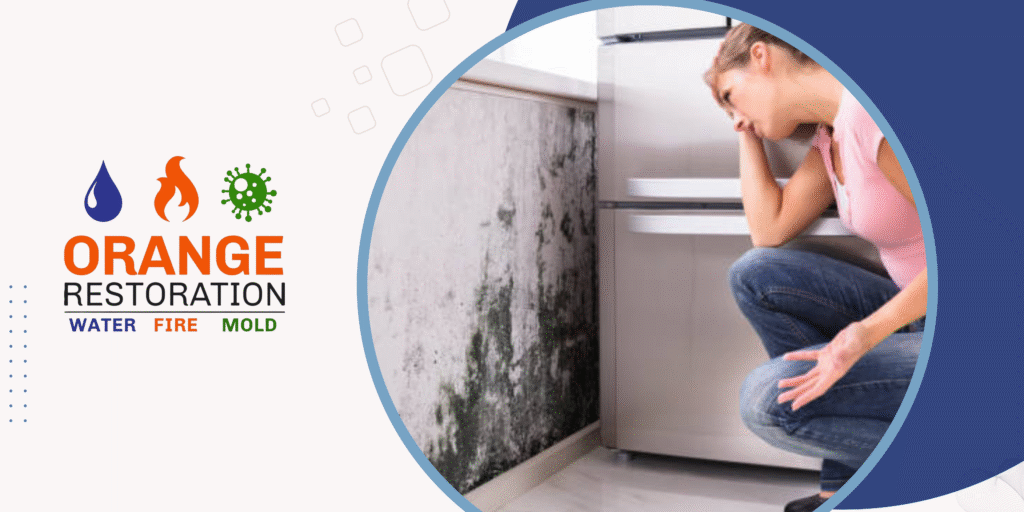
Identifying Mold Causes is Critical for Health
Mold doesn’t just damage your walls or cause a musty smell. Mold impacts our health and can even make our bodies a host to mold spores and VOCs. -The Medically Sound Remediators Why Identifying Mold Causes Is Critical for Health-Conscious Homes For individuals with...
monthly updates
Recent Updates
Summer Mold testing & Remediation
For many of our clients, they want fast mold remediation for health emergencies, and they want to get back in their homes as soon as possible. These homeowners want to restore their homes to before the mold, and have normal air, odor, and health. While some want...
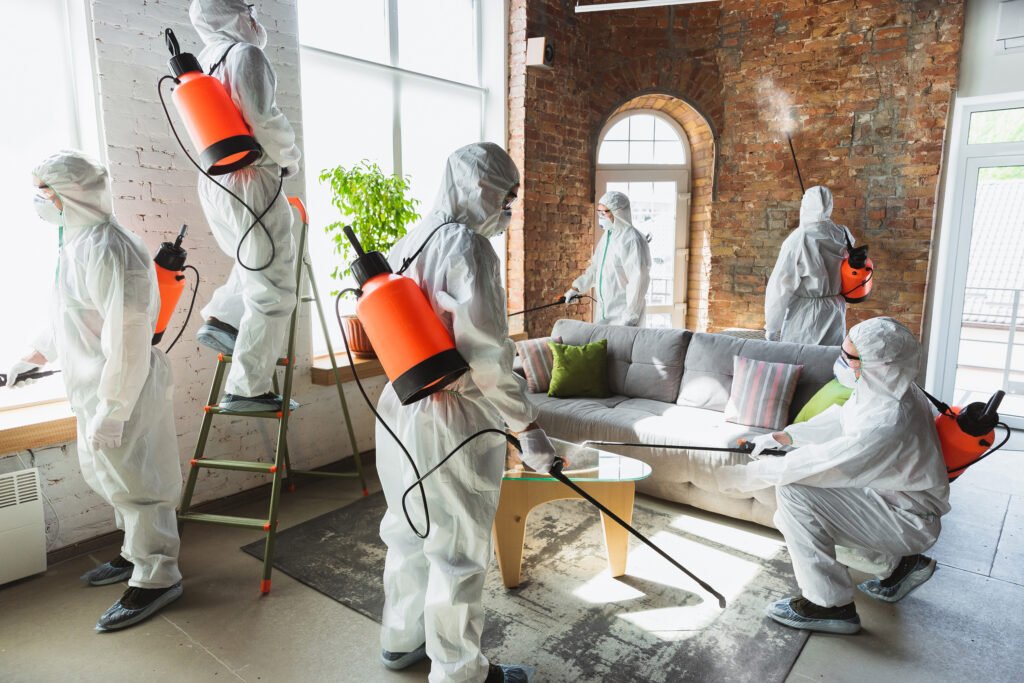
Learning About CIRS, Your Health & Home
At Orange Restoration, we regularly work with individuals suffering from chronic illnesses linked to mold exposure, including CIRS (Chronic Inflammatory Response Syndrome). These aren’t vague, passing ailments — they’re life-altering conditions that require...

Why Does My AC Smell Musty? Mold in AC
The first hot week of the season hits San Diego County, and like clockwork, the air conditioners come on. But instead of a blast of cool, clean air, you’re hit with a musty, moldy smell. Sounds like you have mold in AC or HVAC unit... If this sounds familiar,...
Why Does Mold Problem Keep Coming Back?
Secondary Mold is a Deeper Problem, and more and more often occurring as lower quality work is done in general repairs, plumbing and water damage repairs.
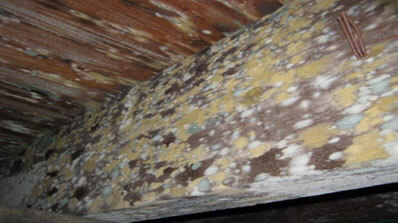
Why Most “Water Damage Restoration Near Me” #1 Google Results Can Do More Harm Than Good
Don't call any "water damage restoration near me" Google search result, do research, call one who will do it right the first time!
CIRS Isn’t Rare Anymore
Remote Life, More Air Testing, and More Toxic Buildings are Causational for Uptick in CIRS Patients With so many working so hard to figure their health out combined with the increase in remote working lifestyle has caused us to have more time in our homes. ...
